Acupuncture for cancer support and recovery

The part of treatment you don't have to face alone
Chemotherapy's hardest part isn't always the chemotherapy itself. For most patients, it's what happens in the days and weeks between.
Getting the diagnosis is one thing. Starting treatment is another. But there's a third thing that often catches people off guard: the cumulative weight of what chemotherapy and radiation do to a body over weeks and months.
The neuropathy that starts in your fingertips and spreads. The fatigue that isn't like ordinary tiredness; it's a kind of heaviness that sleep doesn't touch. The nausea that makes eating feel like a task. The joint aches, the brain fog, the disrupted sleep, the emotional toll of navigating it all while trying to get through each appointment.
Your oncology team is focused on the cancer. They're good at that, and that's exactly where they should be focused. But the side effects? The daily reality of treatment? That's often where patients feel most alone.
You don't have to manage those on your own.
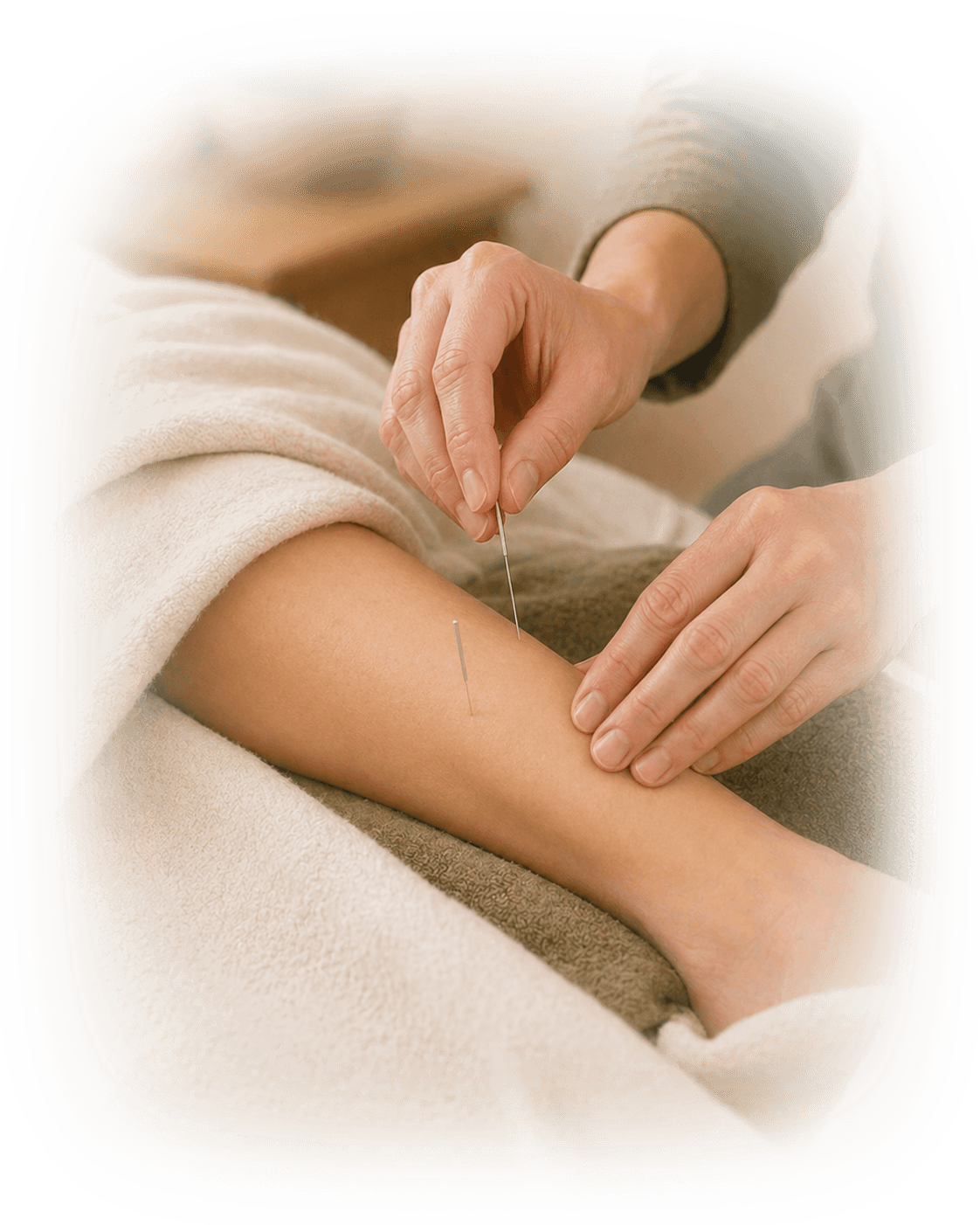
Acupuncture has a meaningful, evidence-supported role in cancer care. Not as a replacement for your medical team, but as the support layer that addresses the symptoms conventional treatment doesn't have time for.
How acupuncture works alongside cancer treatment
Chemotherapy damages the nervous system. Acupuncture works at the same level.
Chemotherapy and radiation damage peripheral nerves, disrupt the HPA axis, and trigger inflammatory changes. These are physiological injuries, and they respond to physiological intervention.
For nausea, a Cochrane Review of 11 randomized trials found acupuncture point stimulation significantly reduced vomiting from chemotherapy. The Society for Integrative Oncology now recommends it in its clinical practice guidelines.
For chemotherapy-induced peripheral neuropathy, one of oncology's most treatment-resistant side effects, a 2020 randomized trial in JAMA Network Open found real acupuncture produced significantly greater reductions in neuropathy pain than sham treatment and usual care.
For cancer-related fatigue, the National Center for Complementary and Integrative Health identifies acupuncture as a primary evidence-supported option, working through the HPA axis and improving sleep quality.
None of this replaces your oncology team. It works alongside them, addressing what their appointment time can't.
The side effects no one else has time for
These are the side effects Dr. Levenson treats most often, across active treatment and the recovery that follows.
Chemo-induced neuropathy
The numbness, tingling, and pain that spreads through hands and feet.
Cancer-related fatigue
The heavy, persistent exhaustion that sleep alone doesn't resolve.
Nausea and vomiting
The acute kind within hours of chemo, and the delayed kind that lingers.
Joint and muscle pain
Including the joint aches from hormone-suppressing cancer therapies.
Sleep disruption
The nights you can't fall asleep, stay asleep, or wake feeling rested.
Hot flashes
Common during endocrine therapy for breast and gynecological cancers.
Emotional distress
The anxiety and grief of a diagnosis, met with whole-person attention.
Dry mouth
Also called xerostomia. A common effect of head and neck radiation.
Electro-acupuncture and whole person support
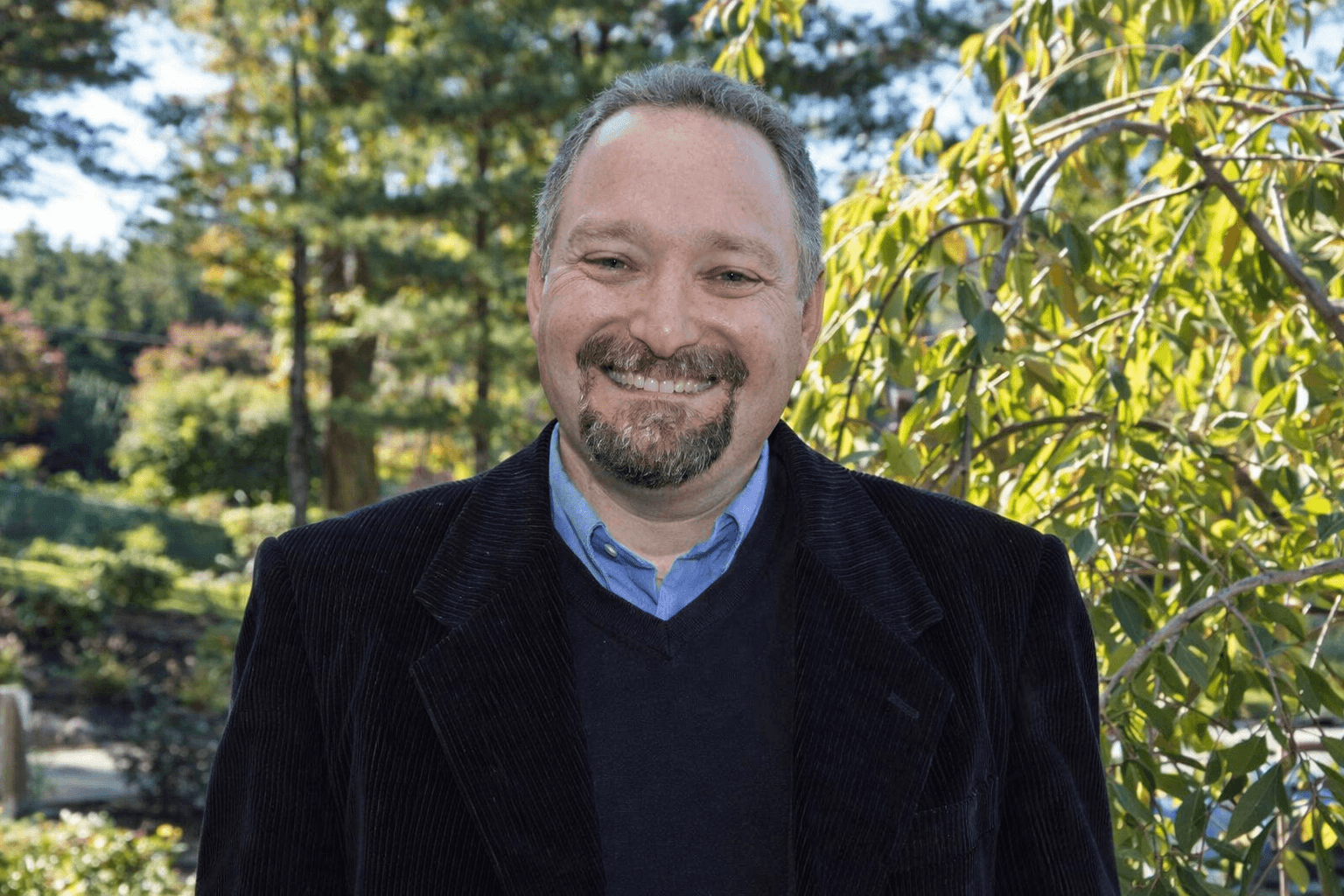
Dr. Levenson brings nearly 25 years of clinical experience to cancer support, with advanced training in electro-acupuncture for nerve-related conditions.
Electro-acupuncture sends a calibrated current through the needles, reaching peripheral nerves more deeply and consistently than traditional needling alone. For chemotherapy-induced neuropathy, where nerve fibers are actually damaged, that depth is often what makes the difference.
Beyond the technique itself, a few things shape every session:
- Four-needle protocol, refined across decades of point selection
- Sessions gentle enough that many patients fall asleep on the table
- Space in every appointment for the anxiety and grief, not just the physical side effects
- Treatment timed around your chemotherapy cycles
Your oncology team leads your cancer care. Dr. Levenson works alongside them, focused on the daily symptoms their appointment time can't reach, and passing along anything your oncologist should hear about.
From first call to first treatment
Starting acupuncture during active cancer treatment isn't a typical first visit. Every step is shaped around where you are in your cycle and what your body needs most right now.
I've been going to Dr. Levenson for neuropathy & fatigue caused by cancer treatment. I have tried many different alternative modalities. But I've never had as quick a response with treatment as I do with Dr. Levenson. He is professional, kind, compassionate, caring & knowledgeable.
Carol Essig
Cancer treatment patient
Frequently asked questions
The questions patients most often ask before starting acupuncture during or after cancer treatment.
For most patients, yes. Acupuncture is considered safe during active chemotherapy when performed by a qualified practitioner who understands oncology protocols. The main considerations are immune status and needle site selection.
Dr. Levenson times sessions around your chemotherapy cycle and communicates with your oncology team if anything requires coordination. If your oncologist has raised concerns about your white blood cell counts or platelet levels, bring those to the first conversation and we'll work within those parameters.
Acupuncture does not interfere with chemotherapy or radiation. It addresses the nervous system consequences of treatment, not the treatment itself.
Both the Society for Integrative Oncology and the National Cancer Institute recognize acupuncture as a safe complementary approach during cancer care. Dr. Levenson isn't treating your cancer; he's treating what the cancer treatment does to your body.
Acupuncture has the strongest evidence base for chemotherapy-induced peripheral neuropathy of any complementary intervention. A 2020 randomized trial in JAMA Network Open found real acupuncture produced significantly greater reductions in neuropathy pain than sham treatment and usual care.
Patients with advanced neuropathy, including those who have finished chemotherapy, can still respond. The nerve damage from CIPN isn't always permanent, and earlier intervention tends to produce better outcomes. Whether you're "too far along" is a determination Dr. Levenson makes after your first conversation, not before.
Nausea is often the fastest-responding symptom, with many patients noticing a reduction after one to two sessions. Fatigue tends to improve more gradually, typically over three to five sessions, as the body's stress response and sleep patterns begin to stabilize.
Neuropathy takes longer because nerve fiber recovery is slow, but patients generally report reductions in pain intensity and improved sensation within four to six sessions. Dr. Levenson will tell you honestly after your first treatment what the pattern looks like for your specific presentation.
No referral is needed. Whole Healthy Family is a private-pay practice, and you can schedule directly.
That said, Dr. Levenson encourages patients to let their oncology team know they're pursuing acupuncture support. Most oncologists are receptive, and many actively encourage it. If your oncologist has questions about what this practice does, we're happy to provide information.
Yes, and this is a significant part of the practice. Post-treatment neuropathy, fatigue, and cognitive changes (what many patients call "chemo brain") can persist for months or years after active treatment ends, and the nervous system changes that cause them don't always resolve on their own.
Dr. Levenson sees patients throughout the recovery period, not just during active treatment, because that's often when the daily quality-of-life impact is most felt and least supported.
Whole Healthy Family is a private-pay practice and does not bill insurance directly. Many patients are able to submit for partial reimbursement through their insurance's out-of-network benefits or health savings accounts.
We can provide documentation to support that process. Pricing details are available when you call.
Their job is the cancer. Ours is how you get through it.
Dr. Levenson has spent nearly 25 years supporting cancer patients through the parts of treatment no one else has time for. A first visit is an honest conversation about what you're dealing with and whether this is worth trying. No obligation, no pressure.
Harrison New York
550 Mamaroneck Ave, Suite 102, Harrison, NY 10528
Tuesday & Wednesday 9 AM - 6 PM
Friday 8 AM - 4 PM
Newtown Connecticut
141 Mount Pleasant Rd, Unit 3, Newtown, CT 06470
Monday & Thursday 8 AM – 8 PM